
A friend of mine, who I’ll call
“Dave” (because that was his name) said he would do anything to avoid
A-level revision. At one point he infamously found himself weighing the cat, convinced
that he would only be able to settle down to work if he had that data to hand.
As a result, some 25 years later, the act of procrastination is referred to by
my family as “weighing the cat”.
Ian Whitten, Sittingbourne, Kent (BBC Readers’ tales of epic time wasting)
————————————————————————————————
The
Thief of Time
Procrastination is a curious thing. Whilst
some people get things done straight away, others are serial offenders and
never do anything today that they can put off to some far better time in the
future:
We
should so get married – just not now.
Why
complete your tax return today? Today’s
not so good. You will be well up for it tomorrow.
Quit
your dead end job and follow your entrepreneurial dream? Next year – for sure.
Planning
for retirement? Probably best to start that when the kids have left home (you
just never know) and the loft conversion is done.
Write
a great blog while it’s fresh in your mind? Next week is better.
So, procrastination is an accomplished
thief. You believe you have plenty of time, but just when you need it,
it’s gone – stolen by a practised and dextrous artiste – you. And as you leave
“it” longer, it becomes exponentially harder to get “it”
done. Leave it long enough, and the “cost” of getting “it” done, starts to rise.
Welcome to the concept of theta.
Theta
Imagine you buy a one year put option to protect yourself
against a fall in the value of your equities portfolio. After purchase, the value of your put option
decreases by a certain amount each day that passes (since there is less time within
which you can receive a pay-out). You can quantify this daily loss. In the
markets, this erosion of value (or “time decay“) through the passage of time is known as “theta”.
The higher the theta, the more you
lose each day that goes by.
An options trader watches theta very closely, since simply owning the
option loses the trader good money every day. Here’s a graph to show how theta rises and the value of an owned option falls
as time passes.
 |
| This is how the value of an option decays with time |
Note also that as the option gets close to its expiry
date, theta soars and the option loses value exponentially.
Procrastination has theta – lots of it; sometimes the theta associated with putting off an activity is measurable in pounds or
dollars, sometimes not. Often the cost is relational but it’s just as much a
cost. Relational Theta – if you will:
“Honey,
I’m sorry I can’t make Jack’s birthday party at school this afternoon – I have
to finish a presentation for the board.”
“You
know we’re supposed to be having dinner with the Lewis-Smiths on Thursday?
Looks like I’m going to have to work late that night – there’s some important
stuff I have to get done. Would you mind going on your own?”
You
had time aplenty to watch the Arsenal match and the Singapore Grand Prix, but
now your work has to be done and the cost is your home life.
Management
Nowhere
is theta / time decay more in evidence than when
it comes to the task of repairing the pension fund. This is where the price of
procrastination comes into its own in dramatic fashion.
real yield right now. Yes, it is far and away the biggest risk facing the pension fund,
and yes we’ve known that for years, but there’s bound to be a better time to deal
with it.”
longer.”
our options.”
back.”
it to the list…”
problem is, the sands of time are sinking and theta is rising.
pension fund I met recently, is due to pay out an increasingly large stream of members’ benefit cash
flows that are scheduled to peak around 2035, from which point they will slowly
diminish steadily, until the final benefits are paid out to the last surviving pension
fund members circa 2090.

in the real world that won’t actually happen. The pension fund is badly
underfunded and, for the last five years, the fund’s trustees and advisers have
prevaricated and procrastinated, and dillied and dallied, in a frozen fog of
paralysis by analysis.
any prudent view, the pension fund now has insufficient assets to make pension benefit
payments past about 2028. The guys who run the pension fund haven’t worked that
out yet, are oblivious to theta and
are living on the never-never; that time-honoured illusory promise of
better times ahead which, in practice, no matter how much better they are,
cannot rescue the pension fund and its members. It’s all gone too far; theta has done its grim work and now there
simply isn’t enough time. The pension fund needs to earn over 8% on its assets every year until 2090.
In the immortal words of Bradley
Cooper (The Hangover (2009)):
“That’s
not gonna happen.”
Ironically,
the pension fund’s younger members (now in their late 30s) are still dutifully paying their hard-earned
contributions into the pension fund, unaware that by the time they come to draw
their benefits in 30 years time, the assets will almost certainly have
dwindled to nothing. They are unwittingly funding the full benefits of current
pensioners but will themselves, in all likelihood, be left compromised. Come to think of it, there’s
an Italian word for when your money gets paid out of a scheme to other people –
“ponzi”.
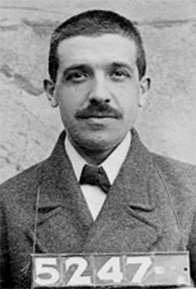
is wretched stuff for sure, but, extraordinary as this may be, the awful truth
probably will not dawn on the trustees until the coffers actually begin to run dry in about
15 years time, approximately 60 years too
early.
the meantime, they will desperately continue to hike contribution rates,
praying for rain that never comes…
started decorating the bathroom in 2000 when I moved in to this house. The tins
of paint are still on display 12 years later and the work awaits completion. I
still haven’t decided what colour towels I’m having.
country puts off thinking about saving for retirement, is that
procrasti-nation?
Be First to Comment